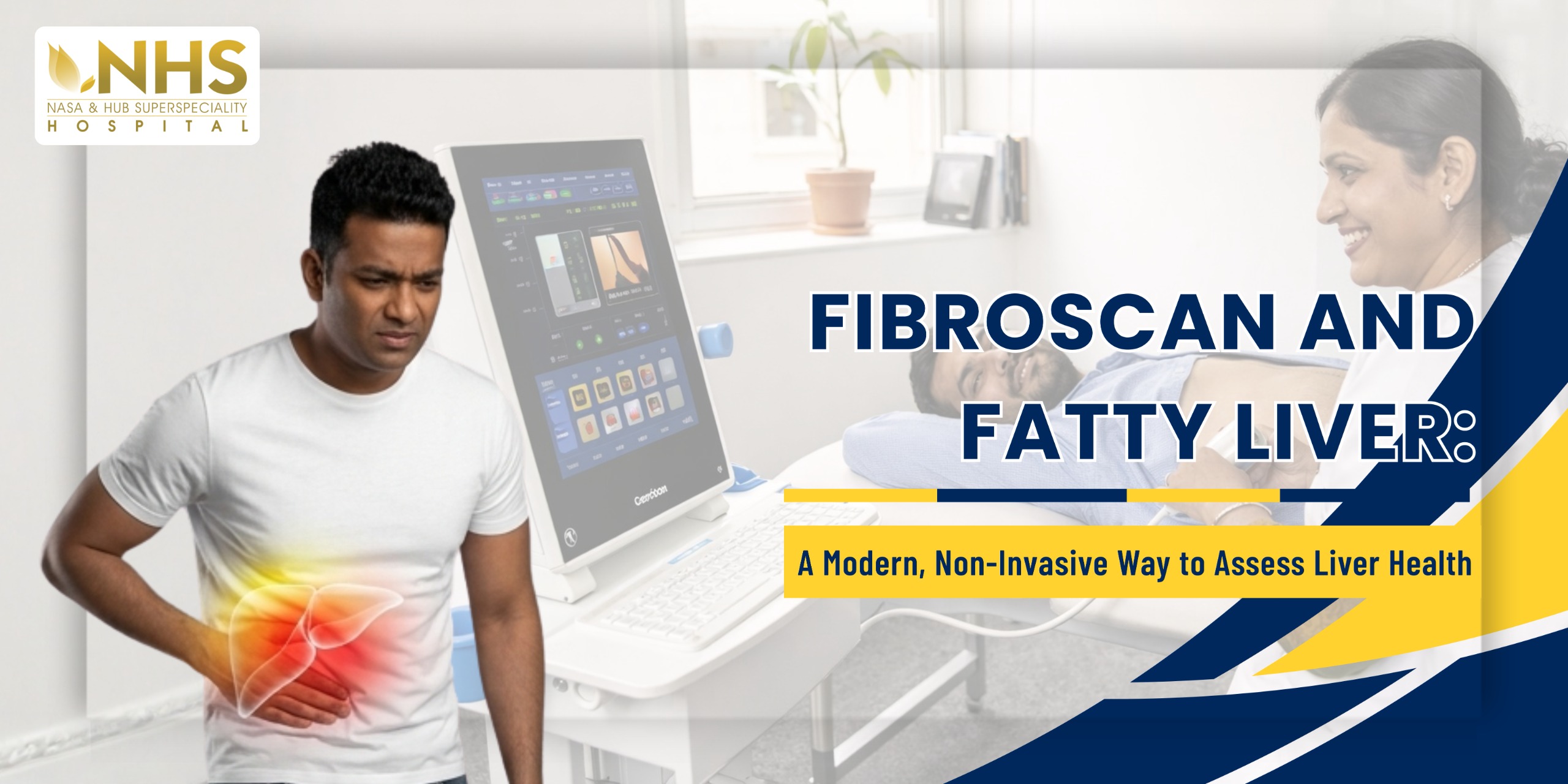
FibroScan and Fatty Liver: A Modern, Non-Invasive Way to Assess Liver Health
Quick AI Summary
- Non-Invasive Assessment: FibroScan uses ultrasound to measure liver stiffness and fat accumulation without a needle biopsy.
- Silent Progression: Fatty liver disease is often symptomless early on but can progress to cirrhosis if unmonitored.
- Gastroenterology Support: Direct monitoring at NHS Gastroenterology helps guide lifestyle and clinical adjustments.
Fatty liver disease has become increasingly common due to changing lifestyles, unhealthy diets, and rising rates of obesity and diabetes. Often referred to as a “silent disease,” fatty liver may not show symptoms in its early stages, yet it can progress to serious conditions such as liver fibrosis, cirrhosis, and even liver failure if left undiagnosed. This is where modern diagnostic tools like FibroScan play a crucial role in early detection and monitoring.
At the department of Gastroenterology, advanced diagnostic methods are now helping doctors evaluate liver health quickly, safely, and accurately without the need for invasive procedures.
What is Fatty Liver Disease?
Fatty liver disease occurs when excess fat accumulates in liver cells. It is broadly classified into two types: alcoholic fatty liver disease and non-alcoholic fatty liver disease (NAFLD). The latter is more common and is associated with obesity, diabetes, high cholesterol, and sedentary lifestyles.
In its early stages, fatty liver may not cause noticeable symptoms. However, as the condition progresses, it can lead to inflammation and scarring of the liver, known as fibrosis. Detecting these changes early is essential for preventing long-term complications.
Understanding FibroScan
FibroScan is a specialised, non-invasive diagnostic test that measures liver stiffness and fat content using advanced ultrasound technology. Unlike a traditional liver biopsy, which involves inserting a needle into the liver, FibroScan is painless and takes only a few minutes to complete.
This technology works by sending painless vibrations through the liver and measuring how quickly they travel. The speed of these waves helps determine the degree of fibrosis (scarring) and steatosis (fat accumulation) in the liver.
Why FibroScan is Important in Fatty Liver Evaluation
FibroScan has transformed the way liver diseases are assessed. It provides accurate, real-time results that help doctors evaluate the severity of fatty liver and monitor disease progression over time.
Some of the key advantages of FibroScan include:
- Non-invasive and painless procedure
- Quick results with no hospital stay required
- Accurate measurement of liver stiffness and fat levels
- Useful for repeated monitoring without risk
These benefits make FibroScan particularly valuable for patients who require regular follow-up, as it avoids the discomfort and risks associated with repeated biopsies.
Role of Advanced Technology in Liver Care
Modern healthcare facilities are increasingly relying on advanced diagnostic tools to ensure early detection and effective treatment. NHS Hospital is known for the most advanced and latest technology, enabling specialists to diagnose liver conditions with greater precision and efficiency.
The availability of FibroScan within the hospital’s gastroenterology services ensures that patients receive timely and accurate evaluation of liver health. This helps doctors create personalised treatment plans based on the severity of the condition.
Early Detection Leads to Better Outcomes
One of the biggest challenges with fatty liver disease is that it often goes unnoticed until it reaches an advanced stage. FibroScan allows doctors to detect even mild fibrosis or fat accumulation before serious damage occurs.
Early detection enables patients to make lifestyle changes such as improving diet, increasing physical activity, managing weight, and controlling blood sugar levels. With proper intervention, fatty liver can often be reversed in its early stages, preventing progression to cirrhosis or liver failure.
Comprehensive Care Under One Roof
Patients searching for an emergency hospital near me jalandhar or facilities offering 24/7 emergency services in jalandhar often look for hospitals that provide both emergency care and specialised diagnostic services. Having access to advanced tests like FibroScan in the same facility ensures faster diagnosis and treatment without unnecessary delays.
At NHS Hospital, the integration of emergency care, outpatient services, and advanced diagnostics supports a seamless patient experience. This approach is particularly important for individuals with liver disease who may require urgent evaluation or sudden medical attention.
Accessibility Through OPD Services
Regular follow-up is essential for managing fatty liver disease. The availability of services at NHS Hospital Opd Centre, Kapurthala makes it easier for patients in surrounding areas to undergo routine check-ups and FibroScan assessments without travelling long distances.
This accessibility encourages patients to remain consistent with their monitoring schedules, which is vital for tracking disease progression and adjusting treatment plans as needed.
Who Should Consider a FibroScan?
FibroScan is recommended for individuals who:
- Have been diagnosed with fatty liver on ultrasound
- Are overweight or obese
- Have diabetes or high cholesterol
- Consume alcohol regularly
- Show abnormal liver function test results
Doctors may also advise FibroScan for patients with known liver disease to monitor fibrosis and evaluate the effectiveness of ongoing treatment.
A Safer Alternative to Liver Biopsy
While liver biopsy remains the gold standard for diagnosing certain liver conditions, it is invasive and carries risks such as bleeding and infection. FibroScan offers a safer and more comfortable alternative for most patients, especially for routine evaluation and follow-up.
Conclusion
FibroScan has become an essential tool in the evaluation and management of fatty liver disease. Its non-invasive nature, accuracy, and ability to provide immediate results make it a preferred choice for both patients and doctors.
With the support of advanced facilities at the department of Gastroenterology and the commitment to cutting-edge medical care, NHS Hospital continues to provide reliable and patient-centred liver diagnostics. Early detection through FibroScan not only improves treatment outcomes but also empowers patients to take control of their liver health before serious complications arise.